
30 Years of Versaterm LIMS-plus at the Acadiana Criminalistics Laboratory
On August 1, 1996, the Acadiana Criminalistics Laboratory (ACL) went live with Versaterm LIMS-plus. Kevin Ardoin, who was a Forensic Chemist at the time, remembers the date without having to look it up.
He had already spent five years at ACL when the system was introduced. Much of the laboratory record was still maintained by hand. A basic DOS-based system supported report writing, while evidence information and other case records depended heavily on paper.
Today, Ardoin is the ACL’s Laboratory Director. He has spent 35 years at the laboratory and has led it since 2006. Two colleagues joined him to reflect on the anniversary. Laurette Rapp, Quality Assurance Manager, has been with ACL since 1994 and experienced the original implementation firsthand. Logan Landry, Drug Chemistry Supervisor and LIMS Administrator, joined in 2017 and now works with a system that was already more than 20 years into its history when he arrived. Their perspectives span the original go-live through the way ACL manages laboratory information today.
Based in New Iberia, Louisiana, ACL supports criminal investigations across eight southwest Louisiana parishes. Thirty years with one laboratory information management system provides an unusual view of how forensic operations have changed. For ACL, the story starts with the move away from manual records.
1996 Flashback
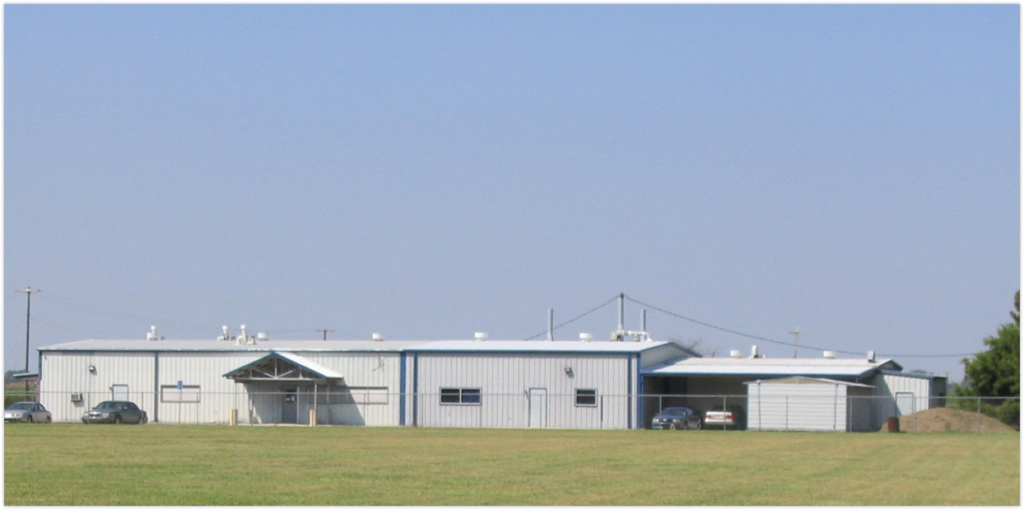
Before Versaterm LIMS-plus, then known as JusticeTrax, finding information often meant searching the paper files and logbooks that contained it. Ardoin remembers a basic computer system used primarily for reports. Other work remained manual. Staff shared limited computer resources, and much of the information surrounding a case existed in physical records.
“We went live on August 1st of 1996. I remember the exact date,” Ardoin recalled during the anniversary conversation. “Everything was handwritten. Everything was manual.”
Versaterm LIMS-plus brought more of that information into an electronic record.
Staff could enter case information from their workstations. Submission data could be retained for later searches. Instead of relying on journals to understand what types of drugs had been submitted during a certain period, the laboratory could query information captured through its regular work.
Rapp remembers the difference in evidence tracking. Before the implementation, chain-of-custody information was recorded manually in the case folder. The record showed certain movements, but it did not provide the same history of every transfer.
With the solution, ACL could document evidence movement throughout the laboratory. The value of that record grew as more case history was captured in the system.
An old case number no longer automatically meant searching through files. Staff could retrieve information from their workstations. Questions about historical submissions could be answered from information already stored in the system.
For Ardoin, the difference between work before and after implementation was significant enough that the go-live date stayed with him three decades later.
The Record Became More Important as Forensics Changed
The laboratory that implemented Versaterm LIMS-plus in 1996 was working in a different environment from the one ACL operates in today.
Laurette Rapp has seen expectations around forensic documentation change over the course of her career. Laboratory work faces close review, particularly when a case reaches court, or a question arises about how work was performed. Her confidence in those situations comes partly from having the history available.
During the interview, Rapp described being able to return to the chain of custody and associated case information when preparing to testify. The record provides the history needed to understand what happened and support the work performed by the laboratory.
ACL has also found value in information that staff may rarely need during routine casework.
The audit trail is one example. During an internal review, the laboratory needed to understand activity within a record. Because every field in the Versaterm LIMS-plus database is subject to an audit trail, the team could examine changes made to specific fields and identify the user activity associated with them.
Landry described the audit trail as a “hidden gem.” The feature helped ACL reconstruct the activity relevant to the review using information captured by the system.
For a laboratory, that history can become important long after a record is created. A case may return for further analysis. A quality review may require a closer look. Staff may need to establish how information changed after the original entry.
Thirty years of use has given ACL a long view of why those records matter.
A New Generation Found New Uses for the Same System
Logan Landry entered the story much later. He joined ACL in 2017 and became the laboratory’s full-time LIMS administrator several years into his tenure. By then, Versaterm LIMS-plus had supported ACL for more than two decades.
His experience has involved learning what the system can do and applying capabilities that had not always been part of ACLs established processes. At one point, Landry found an older LIMS manual describing functions the laboratory was not fully using. Some could address needs ACL was handling in other ways.
Evidence containers could support transfers. Existing database fields offered options for reporting. Information entered by staff could be used within reporting logic to support how ACL wanted its documents structured.
“There is still stuff that you learn when you start to use it more,” Landry explained during the conversation.
ACL has continued to find more value in capabilities already available within Versaterm LIMS-plus. As laboratory needs have evolved, the team has applied existing functionality to support current processes and make better use of the system. The same progression can be seen in report delivery.
Rapp remembers when reports were physically distributed to law enforcement agencies and court offices. Today, ACL can provide electronic access through the Versaterm LIMS-plus Portal. Stakeholder agencies can check case status and access available reports without waiting for physical delivery.
The change removed a manual distribution process that had been part of laboratory operations for years. It also gave agencies a system to check the status of analysis and more direct access to the information ACL had completed for them.
What Keeps a 30-Year Relationship Going?
David Epstein, Senior Account Executive for Versaterm Forensics, asked Ardoin why ACL stayed with the platform through decades of change.
“A big part of it is the relationships,” Ardoin replied.
ACLs history with Versaterm LIMS-plus began under JusticeTrax and continued after JusticeTrax became part of Versaterm. For Ardoin, access to people who understand the laboratory and remain available when questions arise has mattered throughout that history.
He also pointed to stability. Changing a LIMS carries a different weight when decades of case information depend on it. The laboratory needs continued access to that history and confidence that the organization supporting the technology remains invested in forensic operations.
Landry sees the relationship through the day-to-day experience of administering the system.
He spoke candidly about a difficult transition period following the acquisition. His assessment of the support relationship today was different. Landry described receiving quick responses to support requests and access to people with the technical knowledge required when a question needs deeper investigation. He also pointed to the value of user group meetings and the expertise he gained from people who supported ACL earlier in his career.
The relationship has included constructive feedback along the way. ACL has identified capabilities it wants improved and has pushed for more visibility into future changes. Members of the laboratory are currently providing recommendations on work Versaterm is developing for the next generation of its forensic platform.
Where ACL Wants the Next Chapter to Go
When the conversation moved toward the future, the ACL team focused on how laboratory information could become easier to work with and easier to exchange.
Landry raised the potential for AI-assisted querying. Building an ad-hoc query can require knowledge that many occasional users do not have. A more conversational way to ask questions of laboratory data could make that information accessible without requiring every user to understand the mechanics behind the query.
He also sees opportunity outside the laboratory. Case information passes through several organizations before and after forensic analysis. ACL receives evidence from law enforcement. Prosecutors and courts later need information tied to the same work. Those organizations do not always use the same systems or identifiers.
The result of the disparate systems can be repeated data entry or time spent reconciling information between organizations. For ACL, stronger connections between those systems could reduce that work.
Ardoin sees potential in Versaterm’s presence across public safety. Technology already supporting different parts of the justice process creates an opportunity to examine where information can move more effectively between them.
Looking ahead, ACL focused on practical ways technology could better support the flow of information across forensic work. The laboratory adopted Versaterm LIMS-plus because managing information manually was limiting the way staff could work. Thirty years later, the question has expanded beyond how information moves through the laboratory to how it can better support the organizations working on the same case.
Three Decades and Three Perspectives
Ardoin was there when ACL made the decision to implement Versaterm LIMS-plus. Rapp experienced the change from handwritten laboratory records to electronic evidence tracking. Landry inherited that digital foundation years later and now looks for ways to extend what the laboratory can do with it. Together, their experiences show what 30 years with a LIMS actually represents.
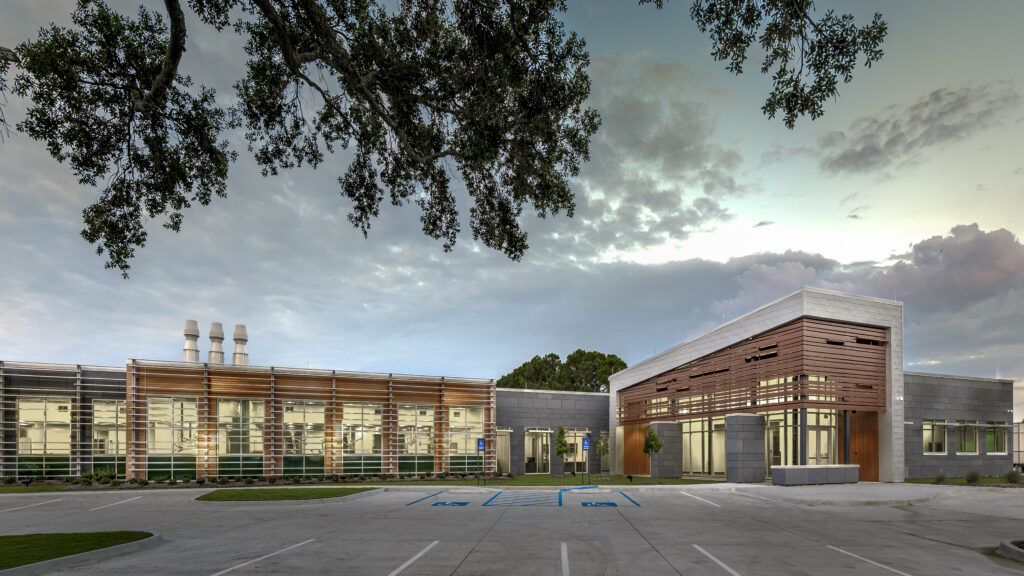
The technology has changed during that time, while forensic expectations have advanced. ACL has moved into a new laboratory. And staff who began their careers working from paper records now work alongside colleagues who have never known ACL without a LIMS.
The responsibility behind the system remains familiar. The laboratory needs to know what happened to evidence. Its case history must remain available when questions return. Staff need information they can rely on when the work is reviewed.
ACL began building that record in Versaterm LIMS-plus on August 1, 1996. Thirty years later, the laboratory is still building on it.
Versaterm is proud to recognize this milestone with Kevin Ardoin, Laurette Rapp, Logan Landry and the entire Acadiana Criminalistics Laboratory team. Their experience continues to inform how Versaterm approaches the future of forensic laboratory technology.


